
This Stations Lesson Brings the Harlem Renaissance to Life in your History Classroom
Jan 25, 2026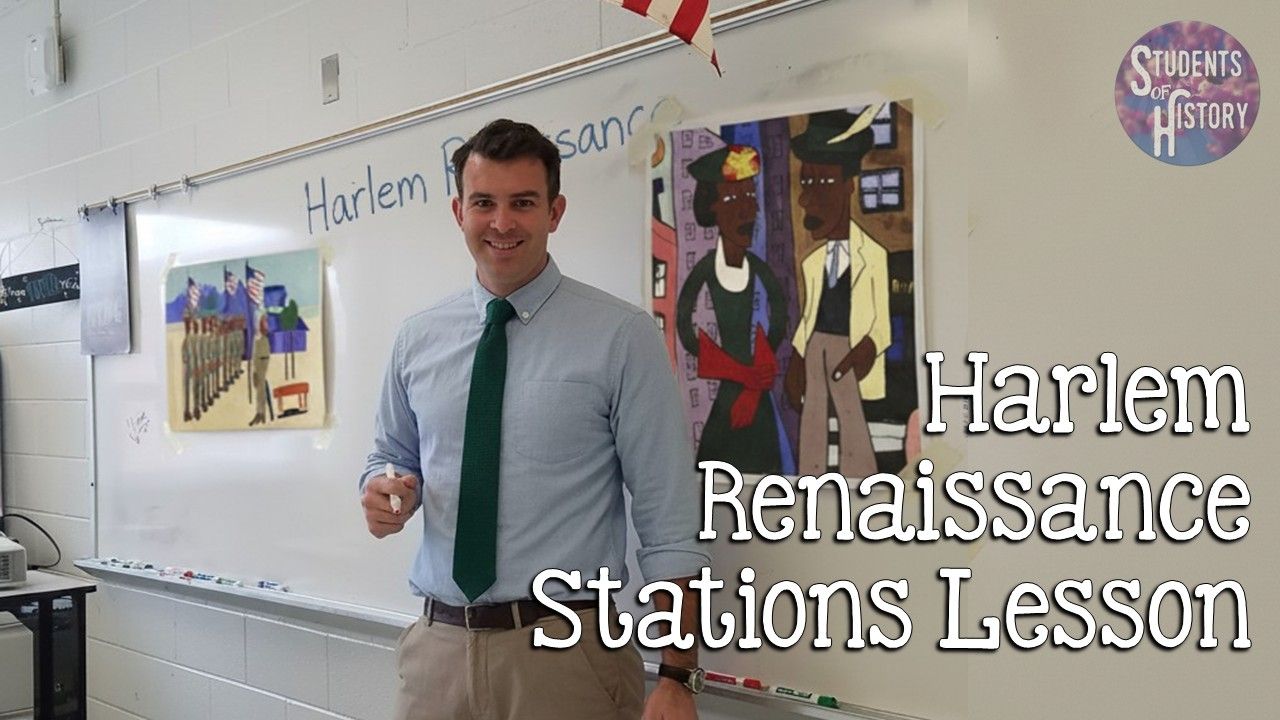
Teaching the Harlem Renaissance is one of the most powerful ways to help students connect art, music, and literature to the broader story of American history and identity.
This period of US History saw a cultural rebirth of African American creativity and is one of the most important aspects of the Roaring 20s that your students need to learn about in either middle school or high school US History.
It can also be challenging, however, to cover all the artists, musicians, writers, and cultural aspects of this amazing movement into one lesson that engages students.
That’s where my Harlem Renaissance Stations Lesson comes in. This best-selling resource turns the Harlem Renaissance into a hands-on exploration of art, music, and literature through movement, creativity, and critical thinking.
What’s Inside the Lesson
The thorough lesson includes everything you need in one simple download for an immersive lesson:
- A teacher directions page explaining multiple setup options (3 or 6 stations).
- Two graphic organizer options for note-taking or interactive notebooks.
- 6 readings on figures like Langston Hughes, Zora Neale Hurston, W.E.B. Du Bois, Claude McKay, Palmer Hayden, and William H. Johnson.
- 10 pages of sample works, including poems, essays, and art reproductions.
- Music links for jazz, blues, and swing - perfect for classroom listening or a dedicated music station.
- Analysis worksheet and answer key to wrap up the lesson with reflection and discussion.
- Editable Google Doc version for easy digital learning and differentiation.
Each station highlights a unique part of the Harlem Renaissance experience: art, music, and literature, with opportunities to analyze style, meaning, and impact.
How It Works
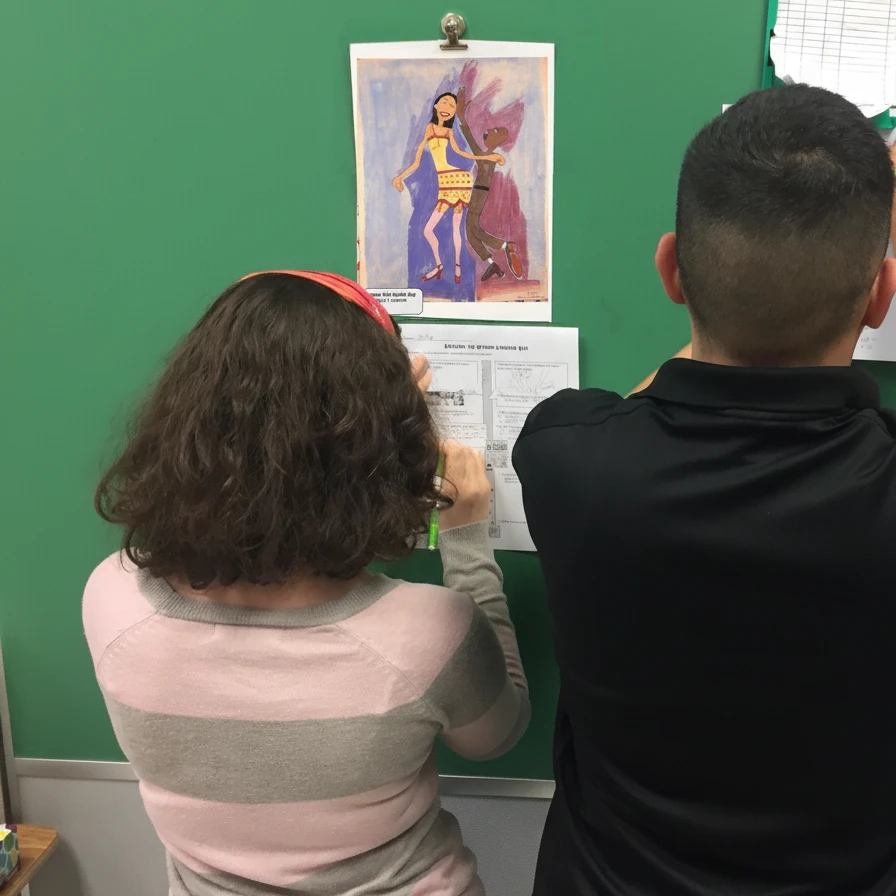
Students rotate through classroom stations (or complete them digitally) to explore:
- Art — View paintings by William H. Johnson, Palmer Hayden, and Archibald Motley; analyze how color, movement, and subject reflect life in Harlem.
- Music — Listen to jazz, swing, and blues by legends like Duke Ellington, Bessie Smith, and Cab Calloway. Discuss rhythm, improvisation, and freedom as artistic expressions.
- Literature — Read poems and writings by Langston Hughes, Countee Cullen, and Zora Neale Hurston, then reflect on themes of race, hope, and resilience.
As they move between stations, students record observations and insights in the graphic organizer. When finished, they complete an analysis worksheet that encourages higher-level thinking and personal connections.
Classroom Tips
I like to start with a a warm up question about the Great Migration (which we covered earlier) to build context.
For smaller classes, you can run 3 stations (Art, Music, Literature) instead of 6. For larger groups, split each category into two to create more movement and variety
Play Harlem Renaissance-era music softly in the background as students rotate through stations.
A good exit ticket for the lesson is a question like: “How did the Harlem Renaissance redefine what it meant to be American?”
Why It Works
The Harlem Renaissance Stations Lesson will encourage your students to think like historians. They analyze sources and interpret meaning while connecting to the voices and creativity of the Roaring 20s.
It’s the perfect balance of content, creativity, and critical thinking. Plus, it's a meaningful way to celebrate Black history and culture in any classroom setting.
Ready to save hundreds of hours on planning?
Gain immediate access to every unit, complete lesson plans, and interactive activities.
Free Lesson Plans & Resources
Interested in some free activities? Sign up to have free sample resources emailed to you!
Never any spam. Unsubscribe any time.