How to Teach Controversial Issues in Your History Classroom
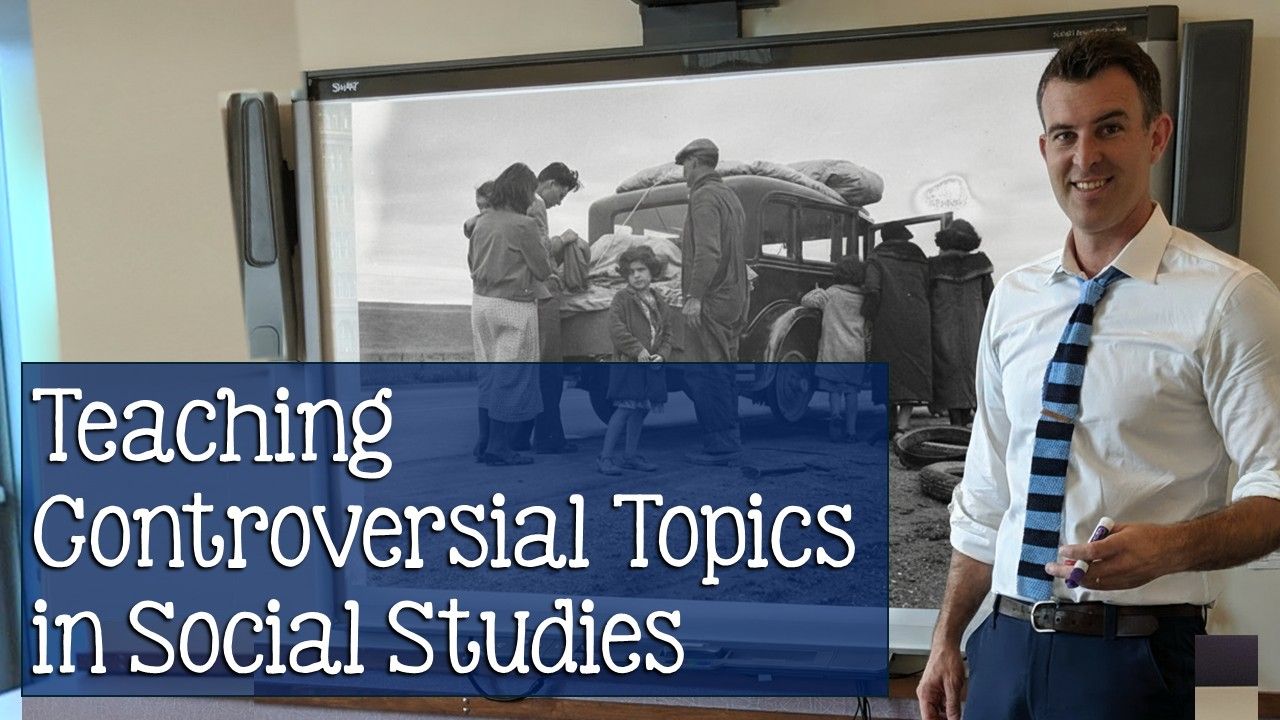
A few years ago, I created a lesson on the Philippines after the Spanish-American War. I had Filipino students in my class, and I kept thinking: their history is in this curriculum, but they'll never see it if I don't teach it. It wasn't in the standards. It wasn't in the textbook. But it was real, it was important, and it belonged in my classroom.
After teaching that lesson, a student came up to me and said something I've never forgotten. He told me he really appreciated me teaching topics that weren't in the textbook. History that really happened and was meaningful for his community. That moment reminded me exactly why I teach history the way I do.
Teaching controversial or difficult history can feel risky. You worry about parent pushback, administrative concerns, or losing control of a classroom discussion. But when you approach these topics thoughtfully and give students real primary sources to work with, something powerful happens. Students stop being passive recipients of histo...
10 Engaging Resources for Teaching World War 1 in Middle & High School Social Studies
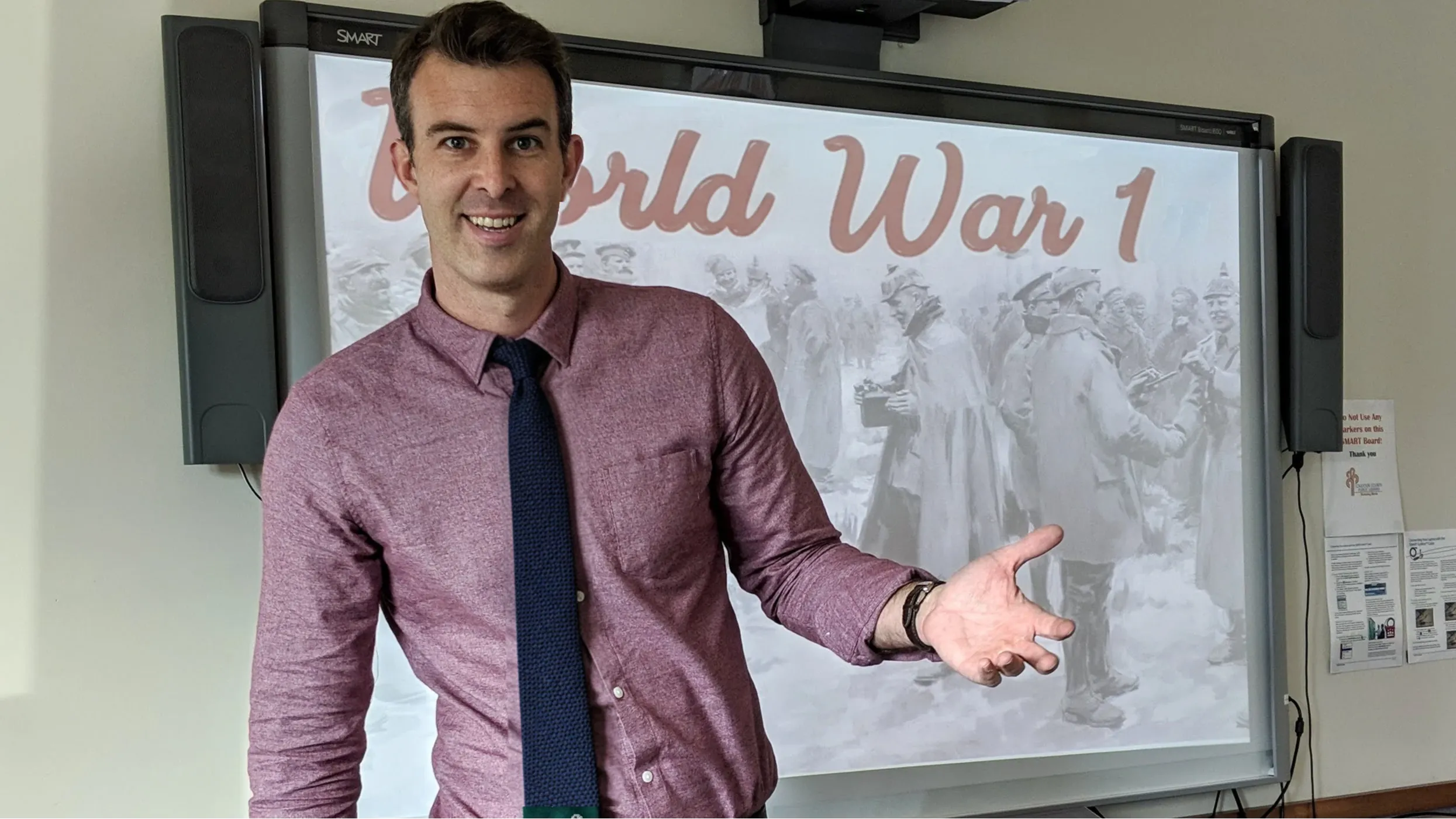
If you’re a middle or high school teacher planning a unit on World War I, you know how important it is to move beyond just the dates and battles. Students benefit most when lessons are interactive, visually rich, and help them think like historians.
Here I want to share with you 10 teacher-approved resources that build engagement, support critical thinking, and fit both middle and high school history classrooms. Each one links directly to a ready-to-use activity you can download right away.
Use this as your go-to list for ramping up your World War I instruction.
Top 10 WWI Teaching Resources
1. World War 1 Propaganda Analysis Activity
Analyzing propaganda helps students understand how governments mobilized citizens and shaped opinion during WWI. If you teach middle school, you can guide students through identifying message, audience, and techniques (thanks to media decoding frameworks. If you're a high school teacher, extend by asking students to compare propaganda from different...
Tug of War for U.S. History: Sparking Discussion & Critical Thinking in Your Classroom
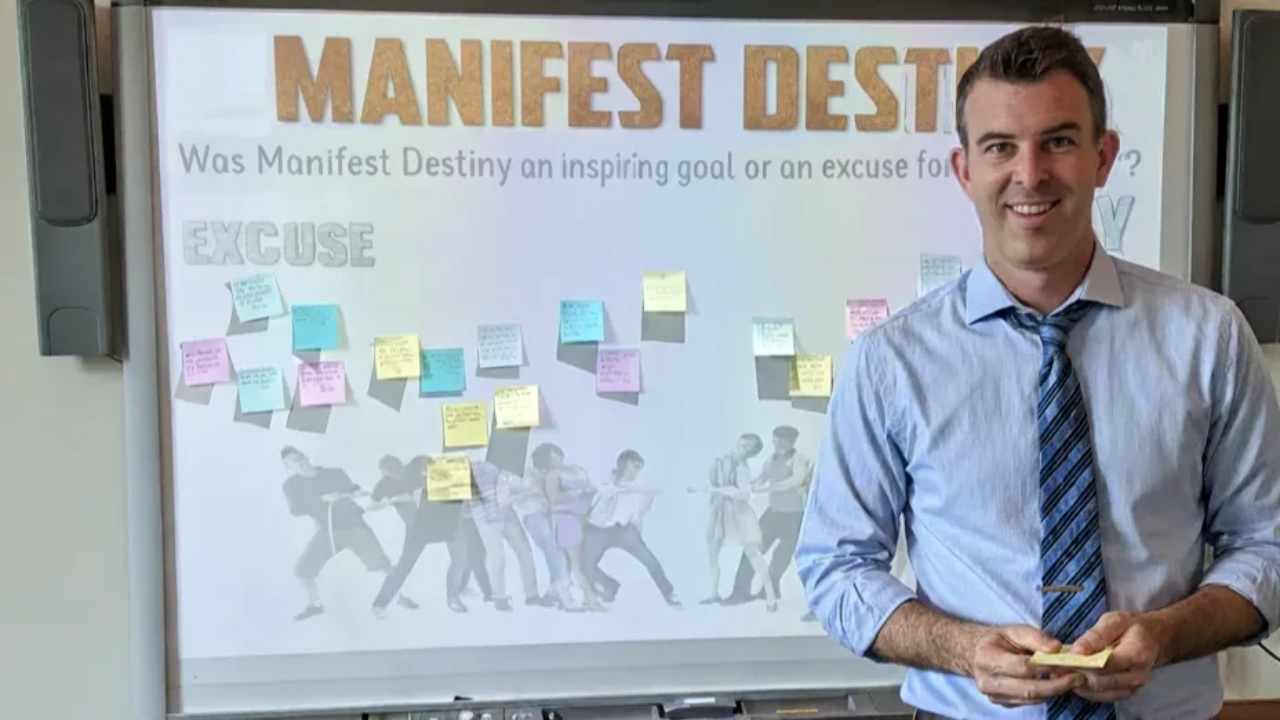
If you’ve ever wanted to get your students thinking deeply about history — and talking about it, too — try adding a Tug of War Question to your next lesson.
This simple but powerful strategy helps students form opinions, back them up with evidence, and see how their classmates think about the same issue. It’s one of my favorite ways to make history come alive for middle and high school students.
A Tug-of-War question is an open-ended, opinion-based prompt that doesn’t have a “right” answer. Students are asked to take a stance along a continuum from one extreme to another such as:
What Is a Tug of War Question?
A Tug of War question is an open-ended prompt that students respond to by taking a stance along a line or scale — from one extreme to another.
For example:
“How important was pop culture in ending the Cold War?”
(Not important at all ↔ Very important)
Students write their names or initials on sticky notes and place them along the line on your whiteboard. After everyone’s po...
Score a Touchdown With Vocabulary Football

If you’re a secondary teacher, you know how important student motivation is. It’s a long school year and often students more than have the ability to succeed but their motivation comes and goes. I never saw that more than in teaching vocabulary. Just mentioning the word “vocabulary” seemed to make my students’ eyes roll and glaze over. I’m a History teacher, though, and understanding vocabulary is essential to student learning.
When I thought about what most motivates my students, I immediately thought of competition. Any review game we played where students were competing was always intense. Football was also huge at my school, so I planned out a way to combine all of this – football, competition, and vocabulary – to create one of my students’ favorite activities: The Vocabulary Football League (VFL)!
The best part, is this can work for any subject!
At the beginning of the year, I place students on teams of 4 (3 or 5 also work depending on your class load) and assign them a team an...
6 Degrees of Separation Game for History
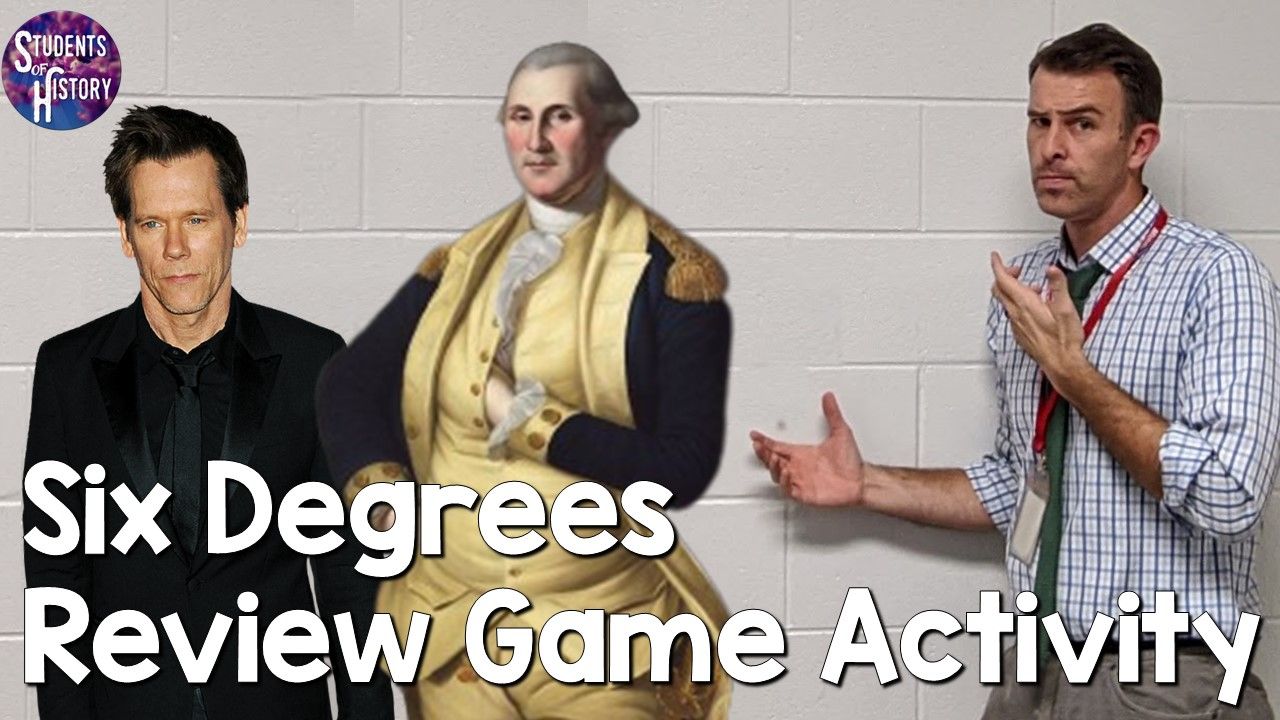
History is a tapestry of interconnected events, people, and ideas. Helping students to make connections in your curriculum is a powerful way to deepen their understanding of history and to see its connection to the world today.
An awesome way to promote this understanding is through a fun and interactive classroom game called "Six Degrees of Separation."
It's inspired by the old parlor game "Six Degrees of Kevin Bacon" that you might have played in college. In that version, someone picks a random actor and you have to connect them through films and other actors who have appeared together until you reach Kevin Bacon.
For example, if you were given the actress Zendaya:
Zendaya was in Dune with Josh Brolin. He was in was in Hollow Man with Kevin Bacon.
It's fun to allow students to try some out with actors they might know. A website called the Oracle of Bacon is helpful for finding examples.
There's a couple different ways you can use this game in the classroom.
First, you coul...
5 Ways to Incorporate Current Events into Your Social Studies Classroom
Many teachers avoid bringing current events into the classroom and often for good reason. It's a politically fraught world these days and you don't want to be considered biased or bring up trouble. Some parents are ready to pounce on you for anything.
It's understandable to want to stick to your standards. However, current events are a great way to connect your curriculum to the real world and work on social studies skills.
Incorporating current events into your social studies lessons can also be a great way to engage students and help them see the relevance of the subject to their own lives.
There's many great resources available to you from CNN10 to the Donut that are made specifically for classrooms.
So, I encourage you to try - when relevant - to bring some current events into your lessons.
Here are five simple tips for using effectively covering current events in your classroom:
1) Choose current events that are age-appropriate and align with your curriculum.
It's importa...
5 Top Trends for Teaching Social Studies in 2024

It's the year 2024, and teaching social studies is more of a challenge than ever before. If you have been in the classroom the past few years, you know just how rough it has been. Between the students, administrators, parents, and the community, social studies teachers are feeling pressure from all directions.
There are, however, a few exciting trends, techniques, and resources that can help social studies teachers provide our students with the most engaging and effective lessons possible.
One trend that has worked for many teachers is to go back to paper-pencil interactive notebooks. Students have been overwhelmed with technology the past few years. Many of them are burned out on Google Classroom, digital activities, webquests, Kahoot, etc.
I know many of your admin require digital activities but there are easy ways to balance the digital and "analog".
For example, I will have students read an online article and complete an interactive notebook graphic organizer based on what the...
Students of History Subscription Preview
Are you curious about what's included with a Student of History subscription?
Well, let's take a look!
Here's a sneak peek of what your subscription will look like after you login. First, you'll be brought to your dashboard where you'll see the curriculum that you have. It could be Civics, World, or US History.
After clicking on your curriculum, you’ll see all the units that are included. You get immediate access to all of them immediately after signing up. So, no matter where in the curriculum your course begins, you can get started right away.
From there, just click on any unit you want to start with and you’ll see it is broken down by day. Most units are between 7-10 days long. That is based on longer block-scheduled classes. So, if you teach daily 45-minute classes, you might need to break up each day’s lesson over two periods.
The lessons are designed to be easy to understand quickly, so you don’t need to slog through a bunch of pages to find out how to teach with the mate...
Refreshed Digital Notebook Activities for Social Studies
With the move to Hybrid and Distance Learning last year, digital learning activities became more important than ever.
Thankfully, I had been using digital notebooks in my classes for a few years. It started with occasional trips to the computer lab. I designed the digital pages I created to look like traditional notebooks - vertically aligned and in the style of the "cut-and-paste" activities we were already doing.
These worked great and students enjoyed them. With the move to fully-digital, however, a few things started to pop up that inspired me to redesign the notebooks. This redesign turned into a complete overhaul of all my digital notebook sets this summer.
You can preview and download any of them through the links below, but here are the major updates and changes:
1. New Horizontal Format - Laptops and Chromebooks obviously have horizontal screens. While the Zoom feature on Google Slides was helpful on the old style notebooks, I wanted students to easily be able to see the e...
Make Your Test Review Fun With Review Clue
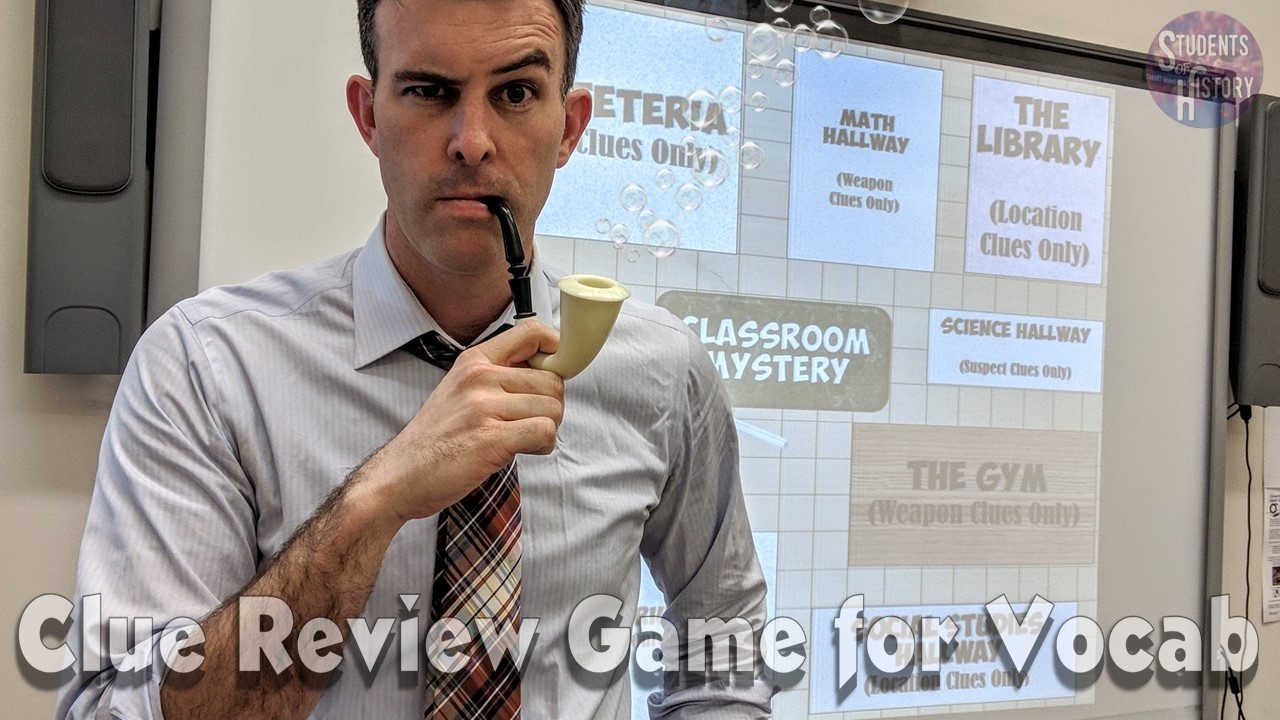
Reviewing with games is always more fun for students than review packets or worksheets. Games get kids excited and build upon their competitive instincts to make reviewing material more engaging and impactful.
Traditional classroom review games like Pictionary, Jeopardy, and Kahoot/Gimkit/Quizizz are great. Kids know how to play, love them, and they're easy to implement. My curricula has these review games already made for each unit.
However, it's good to change things up every so often to keep kids excited and engaged. That's why every so often, we'll play my favorite review game - Review Clue!
Clue has always been one of my all-time favorite movies ("Two corpses. Everything's fine."). Sadly no students have seen it, so my wealth of quotes is lost on them. BUT it's super easy to play in any subject!
It's played similarly to the famous board game (which is apparently known as Cluedo is some parts of the word).
No matter what your subject or unit is, you can have a great game o...