12 Podcast Episodes History Teachers Should Listen to This Summer
Summer is the time to enjoy history for the pure pleasure of it. No lesson planning, grading, or standards to align to. Just you, a great story, and whatever's in your cup or your earbuds.
Whether you're sitting on the beach, taking a morning walk, driving with the windows down, or just relaxing over coffee before the rest of the house wakes up, a great history podcast is one of the best companions you can have. These are some of my absolute favorites.
Below you'll find entertaining: funny, gripping, and surprising listens that are full of stories and details you simply can't get from a textbook.
Each includes anecdotes that stop you mid-sip, moments that make you rewind, and facts that seem too wild to be true. Background knowledge that deepens how you teach a unit. This will become your secret weapon come September. History teachers are storytellers, and the best stories come from being a curious, engaged learner.
You'll have stories so good your students will put their phones do...
10 History Documentaries to Watch This Summer (And How to Use Them in Class)
Every summer I try to do two things: recharge, and come back to the classroom a little sharper than I left it.
One of the best ways I found to do both is watching great history documentaries. They're great for a night time watch or rainy afternoon.
These aren't going to be films you can show in full to your classes. It's kind of sad, but most middle and high school students can't sit through even a 45-minute episode in class. Attention spans are shorter, and that's just the reality we're working with.
What does work are 3-to-7-minute clips. Single scenes. Dramatic moments. Restored footage or a firsthand accounts that make the whole class go quiet. There are tons of these in the documentaries below. Half the value of watching them this summer is mining them for exactly that: jotting down timestamps, bookmarking scenes, and building a mental library of clips you can drop into a lesson at exactly the right moment.
So grab your phone or keep a notepad nearby. When a statistic, a piece...
Summer Reading List for History Teachers: 10 Books to Read on Summer Vacation
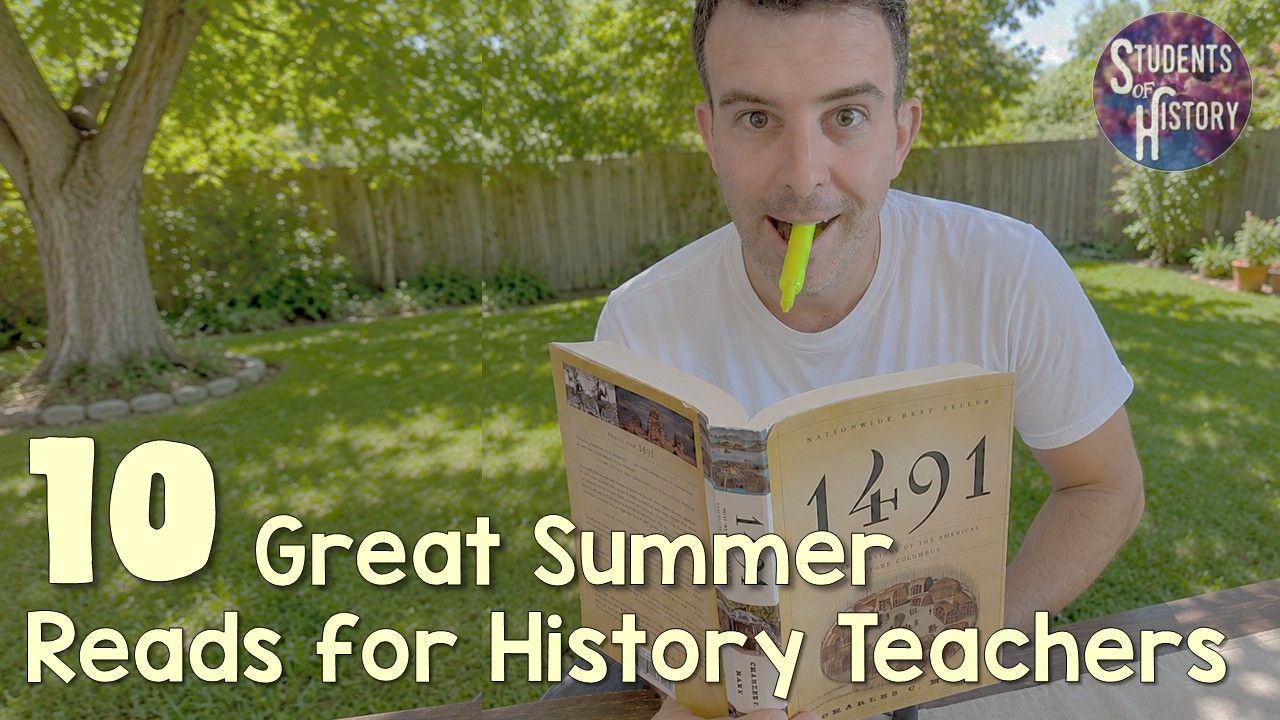
Every summer, I try to pick out a couple history books that can give me some deeper background about the subjects I'll be teaching in the next year. Not textbooks or general US History overviews or anything, but something focused on one single event or person that will make that unit or lesson more interesting for my students.
The best history books don't just fill in gaps in your content knowledge (though they do that, too). They give you stories. Anecdotes. Little moments that make students put down their pencils and lean in. The kind of thing you can't get from a textbook.
Below are 10 books I'd recommend picking up this summer if you teach middle or high school US History or World History. Some are classics. A few are more recent. All of them will give you something to bring into your classroom.
US History Books
1. 1776 by David McCullough
This one's perfect if you teach the American Revolution. McCullough makes the year 1776 feel like a thriller. I love that it so clearly ...
How to Teach Controversial Issues in Your History Classroom
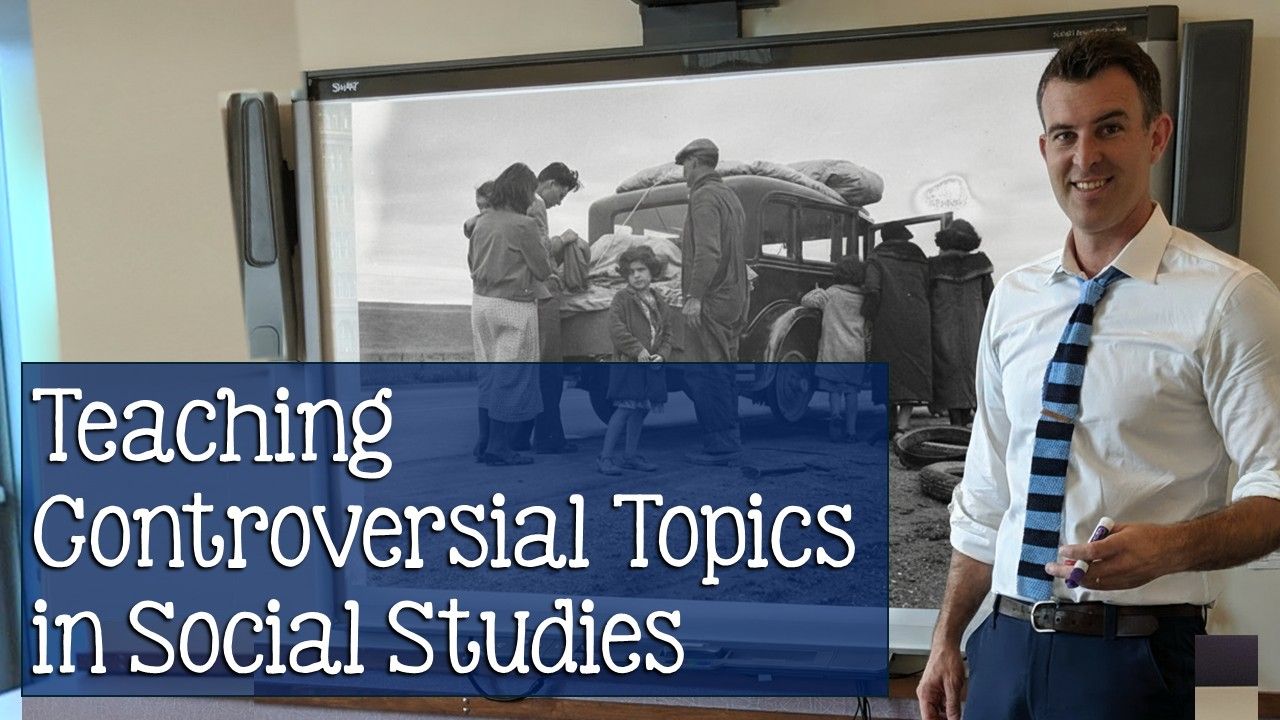
A few years ago, I created a lesson on the Philippines after the Spanish-American War. I had Filipino students in my class, and I kept thinking: their history is in this curriculum, but they'll never see it if I don't teach it. It wasn't in the standards. It wasn't in the textbook. But it was real, it was important, and it belonged in my classroom.
After teaching that lesson, a student came up to me and said something I've never forgotten. He told me he really appreciated me teaching topics that weren't in the textbook. History that really happened and was meaningful for his community. That moment reminded me exactly why I teach history the way I do.
Teaching controversial or difficult history can feel risky. You worry about parent pushback, administrative concerns, or losing control of a classroom discussion. But when you approach these topics thoughtfully and give students real primary sources to work with, something powerful happens. Students stop being passive recipients of histo...
Great Depression and New Deal Activities for the Classroom
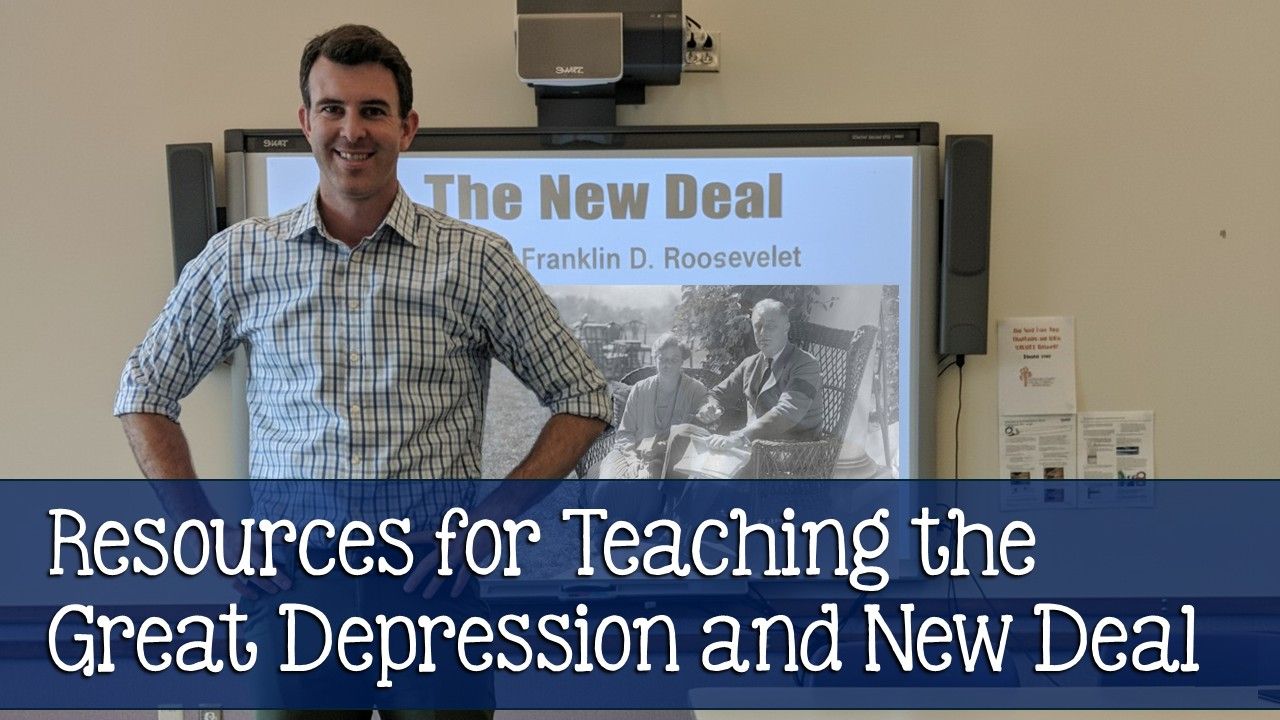
The Great Depression is one of those units that has everything: economic collapse, environmental disaster, political drama, human suffering, and one of the most ambitious government experiments in American history. It's a story that should captivate students. With the right resources, it absolutely does.
The challenge is helping kids connect with a world that feels so distant from their own. Bread lines, Dust Bowl refugees, alphabet agencies... these things don't mean much until students see a face or hear a voice from that era. That's where hands-on activities, primary sources, and creative projects make all the difference.
Here are 7 teacher-approved resources to help bring the Great Depression and New Deal to life in your middle or high school U.S. History classroom.
1) Great Depression & Mexican Repatriation Lesson Plan
This is one of the most powerful and overlooked stories of the entire Depression era and one I always make sure to include in my unit.
Between 400,000 and 2,...
Bring the Civil Rights Movement to Life: 8 Activities Beyond Rosa Parks & MLK
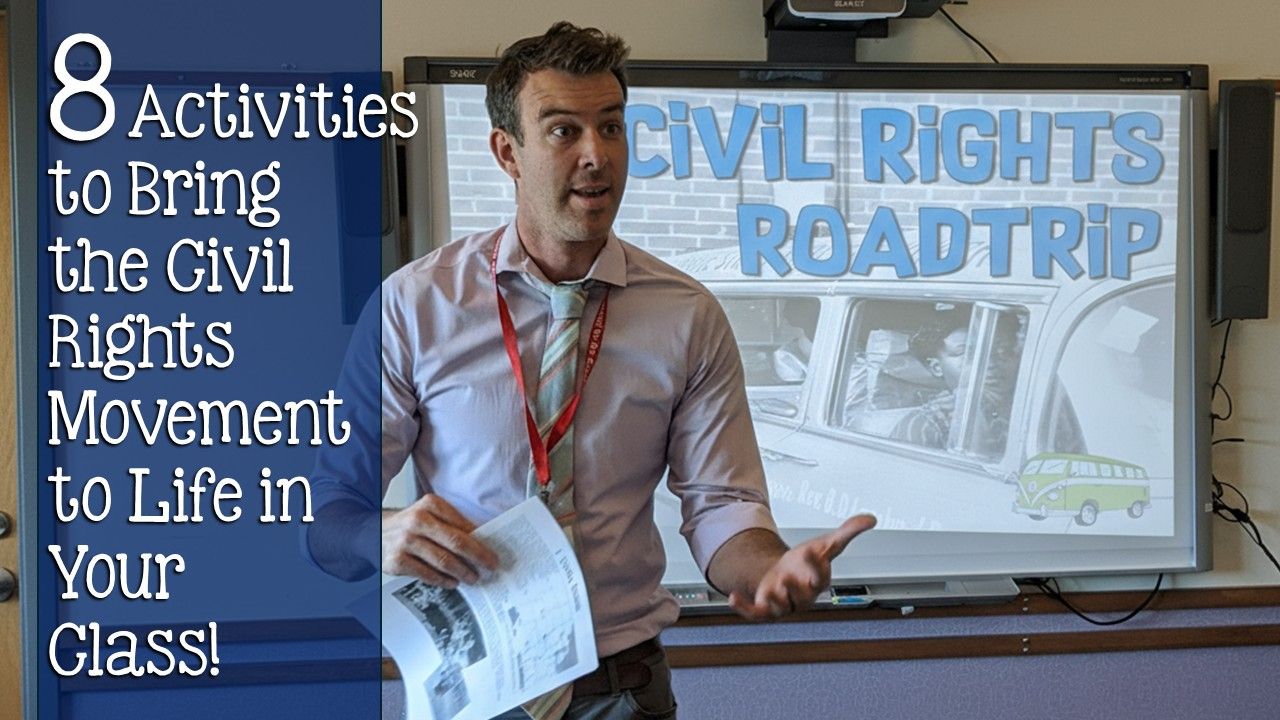
Every U.S. History teacher knows the challenge: you want to do justice to the Civil Rights Movement, but textbooks barely scratch the surface. Yes, Rosa Parks, Martin Luther King Jr., and the March on Washington are essential. But your kids have learned about them already and the movement was SO MUCH bigger than a handful of famous names.
The truth is, the fight for civil rights involved thousands of ordinary people making extraordinary choices. It stretched across decades, across communities, and across causes. And when students discover that broader story, something clicks.
Here are 8 classroom-ready activities that go beyond the usual figures to help your students understand the full scope of the Civil Rights Movement . Who fought, how they fought, and why it still matters today.
1) Green Book Mapping Project
This is one of my all-time favorite activities for helping students feel what segregation actually meant in everyday life.
Students analyze scanned copies of the real Ne...
Women Who Changed the World: Resources for Women’s History Month
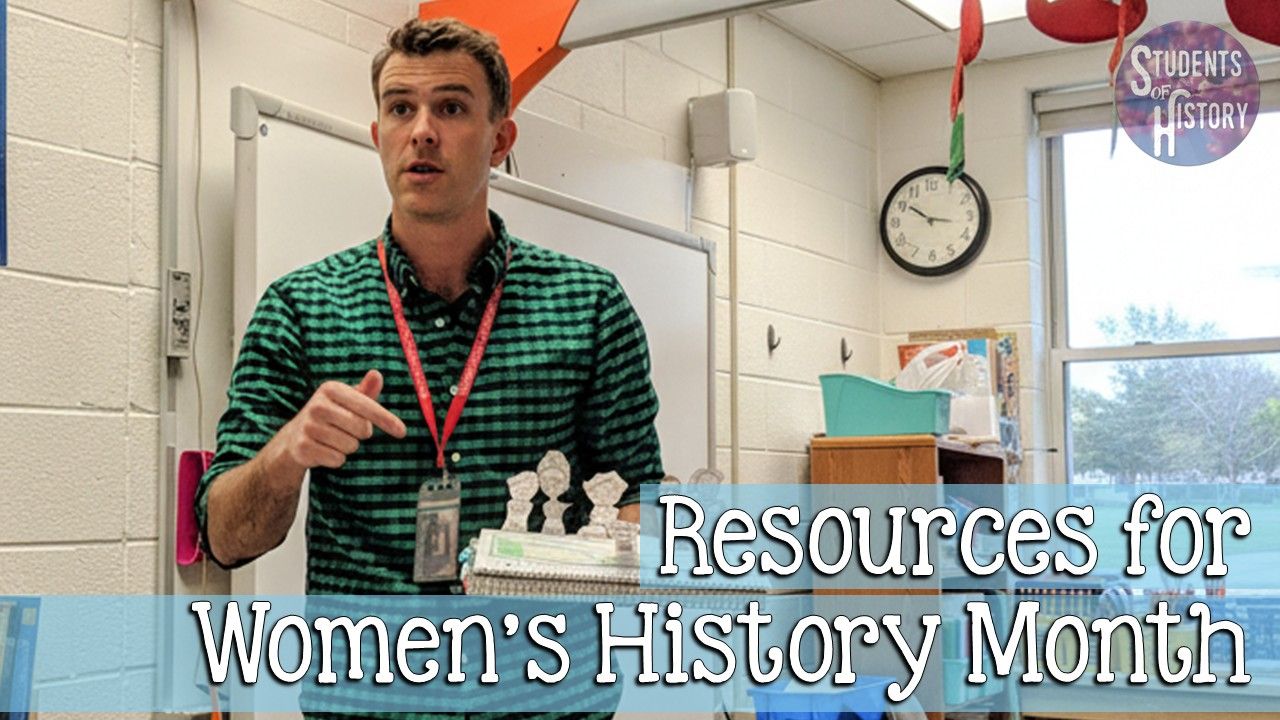
Every March, teachers across the country celebrate Women’s History Month by highlighting the remarkable women who shaped our world.
However, finding lessons that go beyond the usual few figures can be a challenge. Unfortunately, most curricula still lack the female scientists, writers, activists, and everyday heroes who changed history.
That’s why I love using projects, mini lessons, and simple activities to introduce students to a wide range of women across time periods, regions, and cultures.
Below are 10 classroom-ready lessons that showcase women who made history. Each one is easy to implement in a single class period or as part of a broader Women’s History Month project.
1) Women’s History Month Sculpture Garden Project
I love this PBL activity a creative and meaningful way to celebrate women’s contributions to history. Students design a “Women’s History Sculpture Garden” for their community. They choose women to honor, research their lives, and present their ideas through s...
Black History Month Lessons Beyond MLK: Fresh Resources for Your Classroom
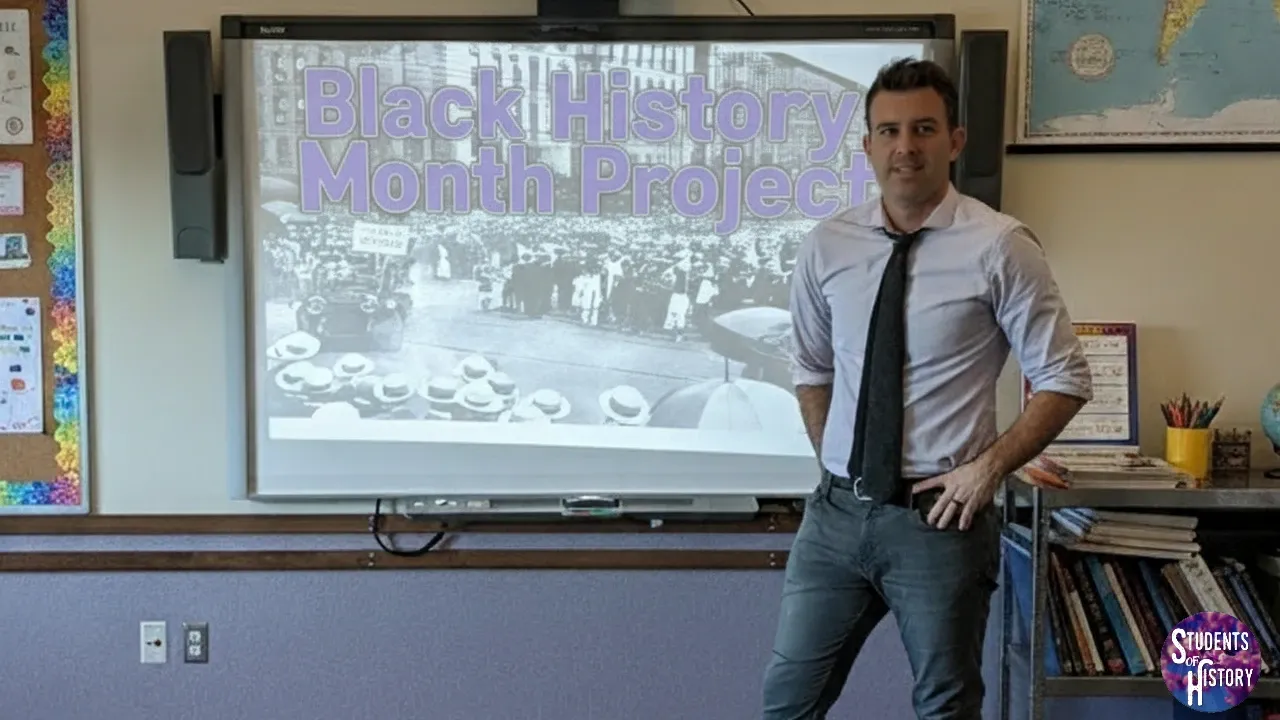
Every February, teachers gear up for Black History Month and rightfully so. Our curricula are still lacking in diversity. However, it can sometimes feel like the same familiar people and stories are covered year after year.
What if you could take this month to highlight a broader, richer range of voices, eras, and stories?
From ancient African empires to 20th-century activism, here are 7 resources that broaden the narrative and bring diverse perspectives into your social studies classroom.
These classroom-ready resources go beyond Rosa Parks and Martin Luther King Jr. to help students explore Black history across time and space.
1) African Empires Interactive Notebook
Focus on African history with interactive notebook activities on the great empires of Ghana, Mali, and Songhai. These resources include map activities, readings, and foldable-style graphic organizers. make this accessible and engaging.
These help diversify your “Euro-centric” World History curriculum and give stude...
10 Engaging Resources for Teaching the Geography of Europe
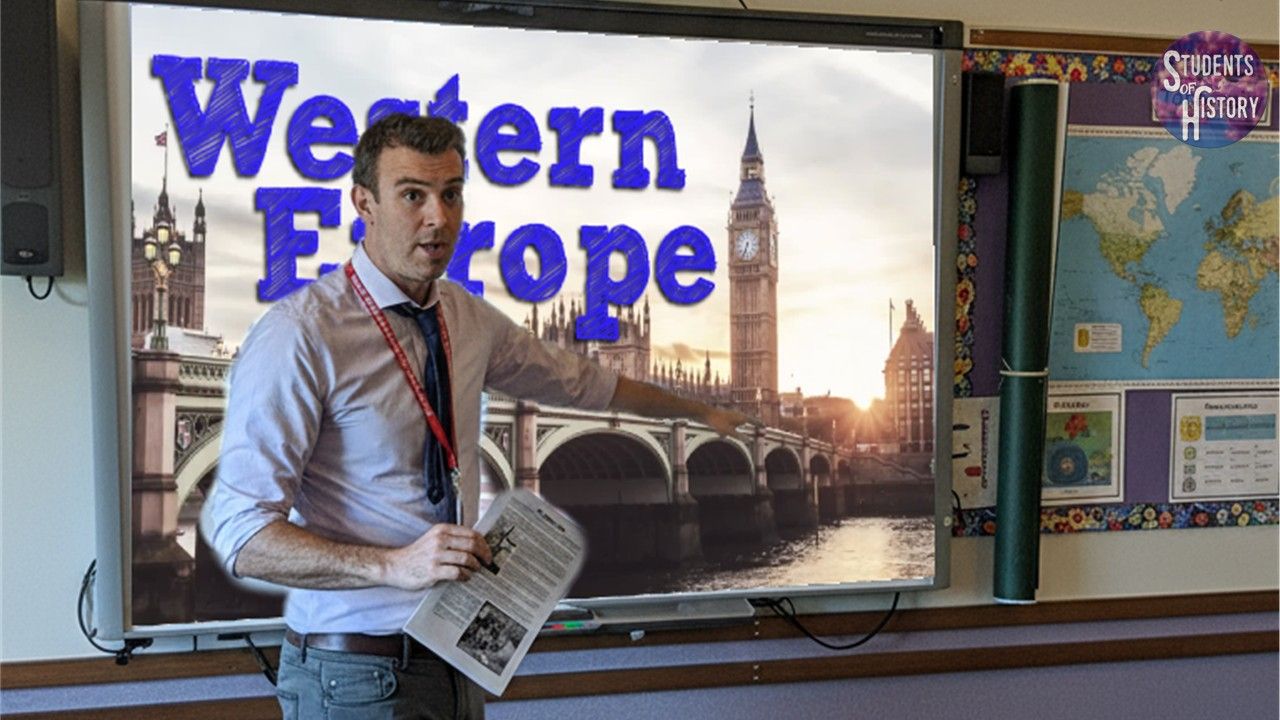
If you’re a middle school geography teacher, you know how challenging it can be to help students connect to Europe's diverse geographic features. From the Alps to the Arctic Circle, Europe’s geography tells stories of migration, empire, culture, and change.
Here are 10 awesome, teacher-approved resources that make teaching the geography of Europe interactive, engaging, and easy to implement in your class. Each one links to a ready-to-use lesson or activity you can download and use with your students
Use this as your go-to list for bringing Europe’s landscapes, countries, and cultures to life in your classroom.
10 Resources for Teaching Europe's Geography
1) Landmarks Grand Tour or Backpacking Map Project
In this fun unit project, students plan either a “Grand Tour” or bargain backpacking route across Europe, mapping iconic landmarks while practicing itinerary building, geographic reasoning, and spatial thinking.
The project is perfect for blending cultural and physical geography ...
This Stations Lesson Brings the Harlem Renaissance to Life in your History Classroom
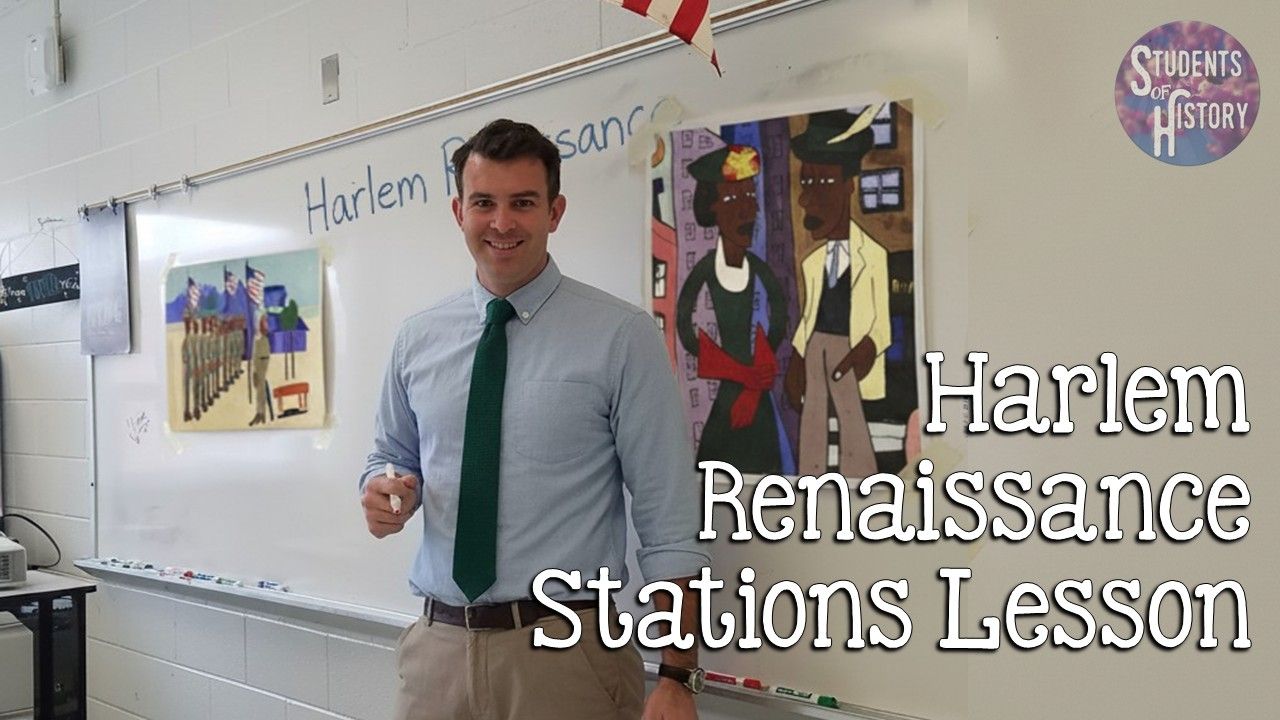
Teaching the Harlem Renaissance is one of the most powerful ways to help students connect art, music, and literature to the broader story of American history and identity.
This period of US History saw a cultural rebirth of African American creativity and is one of the most important aspects of the Roaring 20s that your students need to learn about in either middle school or high school US History.
It can also be challenging, however, to cover all the artists, musicians, writers, and cultural aspects of this amazing movement into one lesson that engages students.
That’s where my Harlem Renaissance Stations Lesson comes in. This best-selling resource turns the Harlem Renaissance into a hands-on exploration of art, music, and literature through movement, creativity, and critical thinking.
What’s Inside the Lesson
The thorough lesson includes everything you need in one simple download for an immersive lesson:
- A teacher directions page explaining multiple setup options (3 or 6 stat ...