Every summer I try to do two things: recharge, and come back to the classroom a little sharper than I left it.
One of the best ways I found to do both is watching great history documentaries. They're great for a night time watch or rainy afternoon.
These aren't going to be films you can show in full to your classes. It's kind of sad, but most middle and high school students can't sit through even a 45-minute episode in class. Attention spans are shorter, and that's just the reality we're working with.
What does work are 3-to-7-minute clips. Single scenes. Dramatic moments. Restored footage or a firsthand accounts that make the whole class go quiet. There are tons of these in the documentaries below. Half the value of watching them this summer is mining them for exactly that: jotting down timestamps, bookmarking scenes, and building a mental library of clips you can drop into a lesson at exactly the right moment.
So grab your phone or keep a notepad nearby. When a statistic, a piece...
Every summer, I try to pick out a couple history books that can give me some deeper background about the subjects I'll be teaching in the next year. Not textbooks or general US History overviews or anything, but something focused on one single event or person that will make that unit or lesson more interesting for my students.Â
The best history books don't just fill in gaps in your content knowledge (though they do that, too). They give you stories. Anecdotes. Little moments that make students put down their pencils and lean in. The kind of thing you can't get from a textbook.
Below are 10 books I'd recommend picking up this summer if you teach middle or high school US History or World History. Some are classics. A few are more recent. All of them will give you something to bring into your classroom.
This one's perfect if you teach the American Revolution. McCullough makes the year 1776 feel like a thriller. I love that it so clearly ...
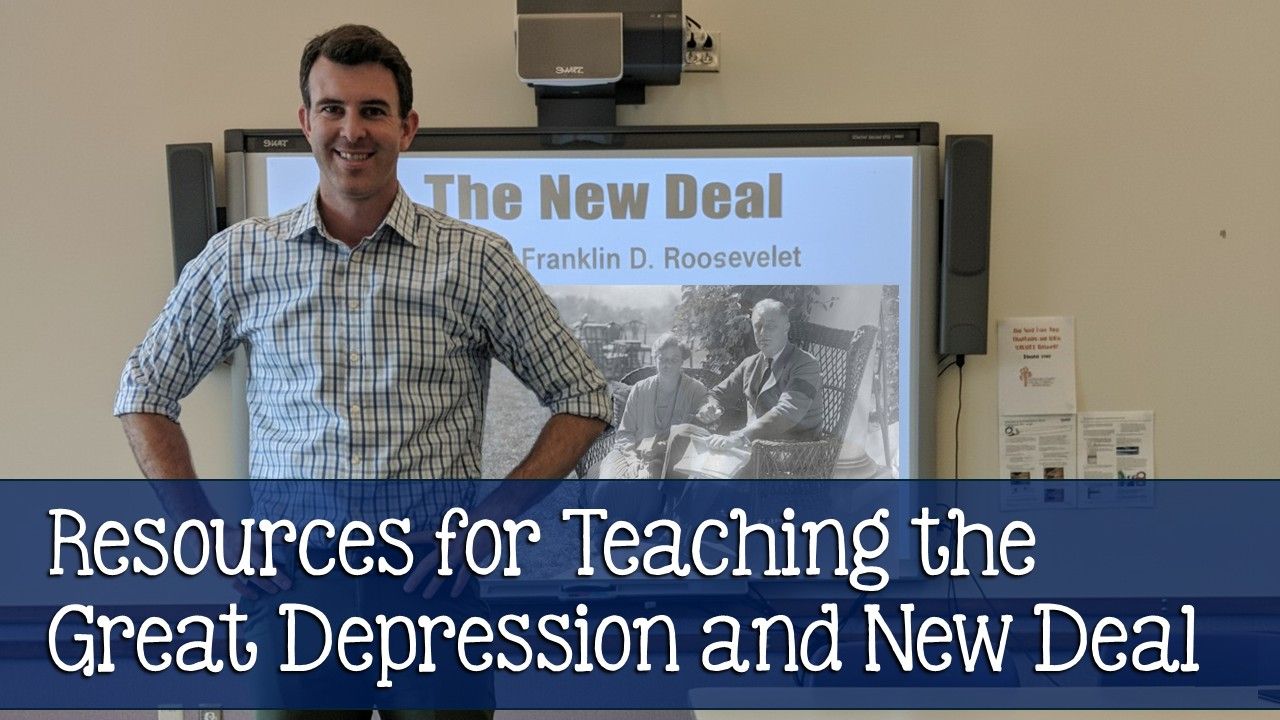
The Great Depression is one of those units that has everything: economic collapse, environmental disaster, political drama, human suffering, and one of the most ambitious government experiments in American history. It's a story that should captivate students. With the right resources, it absolutely does.
The challenge is helping kids connect with a world that feels so distant from their own. Bread lines, Dust Bowl refugees, alphabet agencies... these things don't mean much until students see a face or hear a voice from that era. That's where hands-on activities, primary sources, and creative projects make all the difference.
Here are 7 teacher-approved resources to help bring the Great Depression and New Deal to life in your middle or high school U.S. History classroom.
This is one of the most powerful and overlooked stories of the entire Depression era and one I always make sure to include in my unit.
Between 400,000 and 2,...
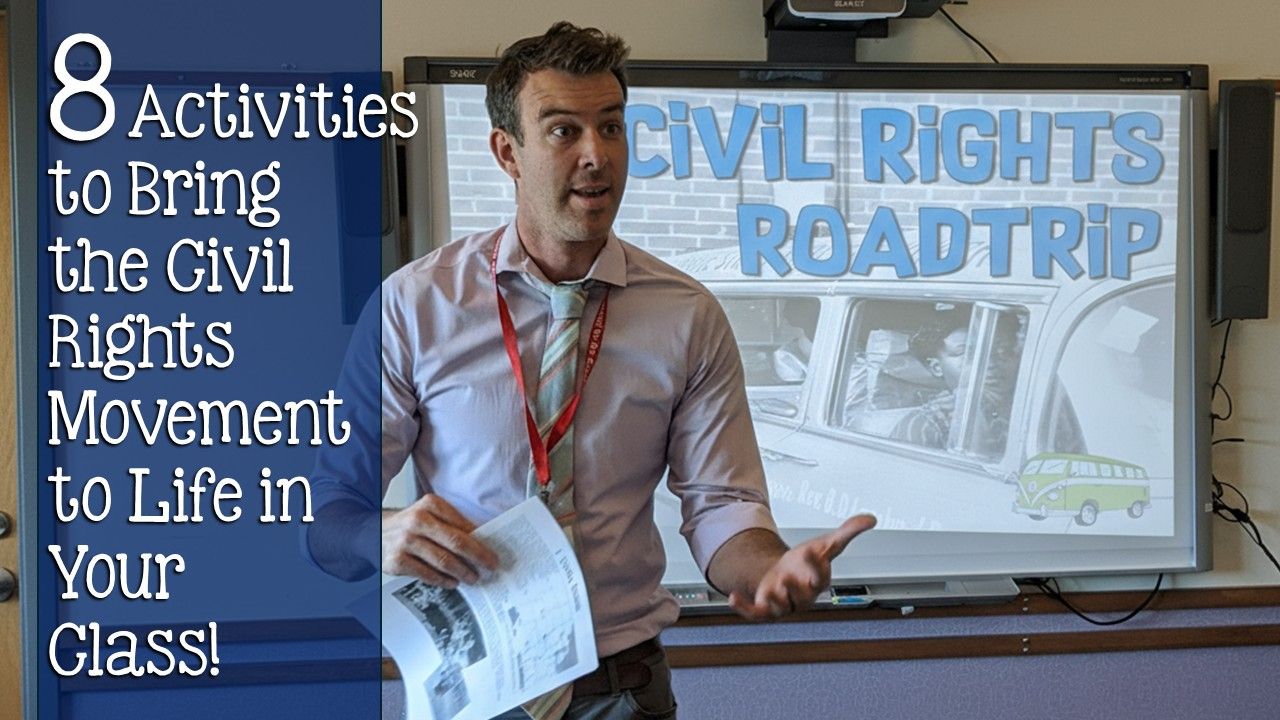
Every U.S. History teacher knows the challenge: you want to do justice to the Civil Rights Movement, but textbooks barely scratch the surface. Yes, Rosa Parks, Martin Luther King Jr., and the March on Washington are essential. But your kids have learned about them already and the movement was SO MUCH bigger than a handful of famous names.
The truth is, the fight for civil rights involved thousands of ordinary people making extraordinary choices. It stretched across decades, across communities, and across causes. And when students discover that broader story, something clicks.
Here are 8 classroom-ready activities that go beyond the usual figures to help your students understand the full scope of the Civil Rights Movement . Who fought, how they fought, and why it still matters today.
This is one of my all-time favorite activities for helping students feel what segregation actually meant in everyday life.
Students analyze scanned copies of the real Ne...
Every March, teachers across the country celebrate Women’s History Month by highlighting the remarkable women who shaped our world.Â
However, finding lessons that go beyond the usual few figures can be a challenge. Unfortunately, most curricula still lack the female scientists, writers, activists, and everyday heroes who changed history.
That’s why I love using projects, mini lessons, and simple activities to introduce students to a wide range of women across time periods, regions, and cultures.
Below are 10 classroom-ready lessons that showcase women who made history. Each one is easy to implement in a single class period or as part of a broader Women’s History Month project.
I love this PBL activity a creative and meaningful way to celebrate women’s contributions to history. Students design a “Women’s History Sculpture Garden” for their community. They choose women to honor, research their lives, and present their ideas through s...
Every February, teachers gear up for Black History Month and rightfully so. Our curricula are still lacking in diversity. However, it can sometimes feel like the same familiar people and stories are covered year after year.
What if you could take this month to highlight a broader, richer range of voices, eras, and stories?
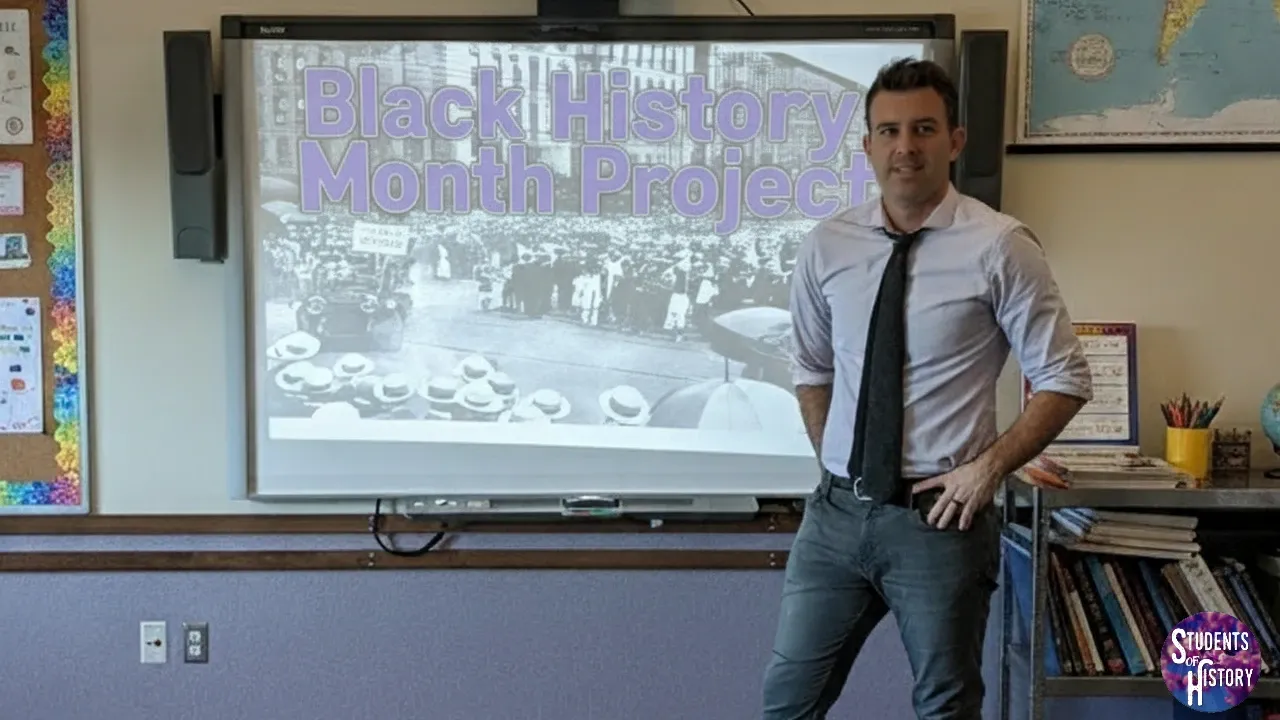
From ancient African empires to 20th-century activism, here are 7 resources that broaden the narrative and bring diverse perspectives into your social studies classroom.Â
These classroom-ready resources go beyond Rosa Parks and Martin Luther King Jr. to help students explore Black history across time and space.
Focus on African history with interactive notebook activities on the great empires of Ghana, Mali, and Songhai. These resources include map activities, readings, and foldable-style graphic organizers. make this accessible and engaging.
These help diversify your “Euro-centric” World History curriculum and give stude...
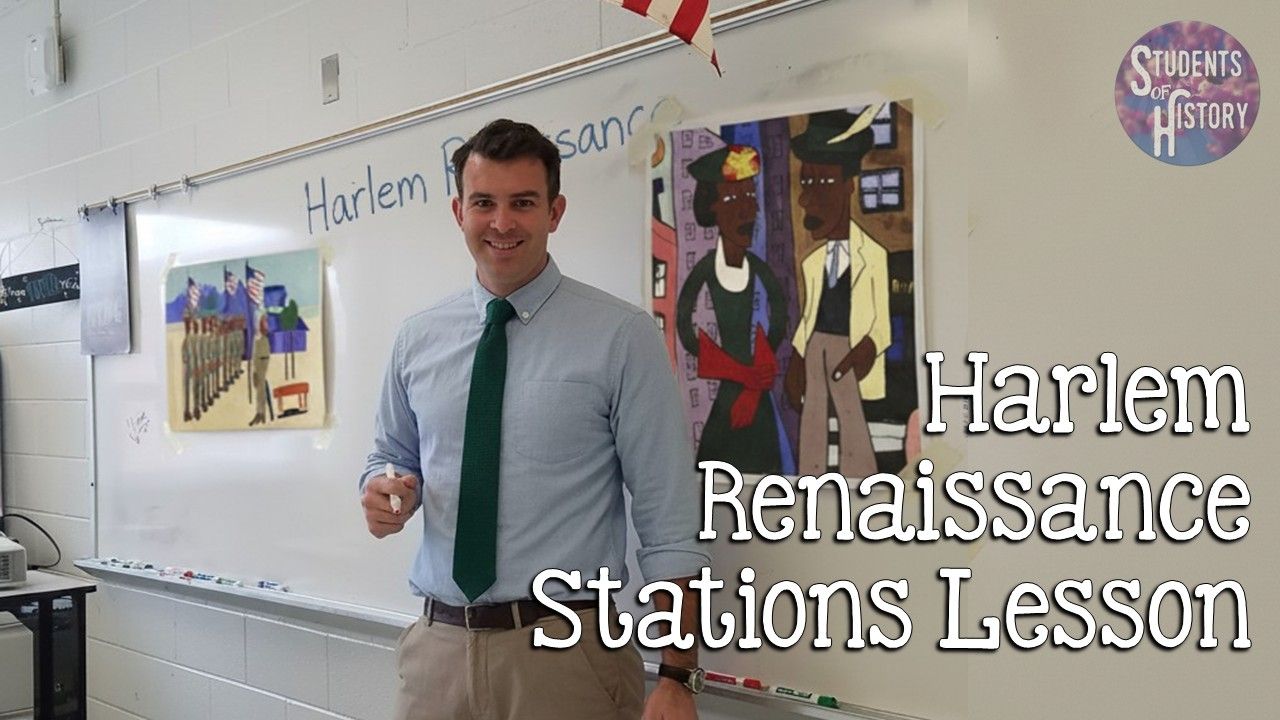
Teaching the Harlem Renaissance is one of the most powerful ways to help students connect art, music, and literature to the broader story of American history and identity.
This period of US History saw a cultural rebirth of African American creativity and is one of the most important aspects of the Roaring 20s that your students need to learn about in either middle school or high school US History.
It can also be challenging, however, to cover all the artists, musicians, writers, and cultural aspects of this amazing movement into one lesson that engages students.
That’s where my Harlem Renaissance Stations Lesson comes in. This best-selling resource turns the Harlem Renaissance into a hands-on exploration of art, music, and literature through movement, creativity, and critical thinking.
The thorough lesson includes everything you need in one simple download for an immersive lesson:
America's Constitution can feel abstract for students. It's full of difficult text, articles, and clauses that seem far removed from modern life. With the right lessons however, this cornerstone of American democracy becomes vivid, relatable, and even exciting to learn about.
Whether you teach middle school civics or high school U.S. government or U.S. history, these resources will help your students see the Constitution as a living document that shaped (and still shapes) our country.
Here are nine teacher-tested activities, projects, and lessons you can use to make your Constitution unit both meaningful and memorable.
1) Escape the Constitutional Convention Activity
Turn your classroom into Independence Hall! Students “escape” the Constitutional Convention by solving puzzles and decoding clues tied to each Article of the Constitution and the Bill of Rights.
It transforms a complex topic into a team-based experience that gets student...
If you’re a middle or high school teacher planning a unit on World War I, you know how important it is to move beyond just the dates and battles. Students benefit most when lessons are interactive, visually rich, and help them think like historians.
Here I want to share with you 10 teacher-approved resources that build engagement, support critical thinking, and fit both middle and high school history classrooms. Each one links directly to a ready-to-use activity you can download right away.Â
Use this as your go-to list for ramping up your World War I instruction.
1. World War 1 Propaganda Analysis Activity
Analyzing propaganda helps students understand how governments mobilized citizens and shaped opinion during WWI. If you teach middle school, you can guide students through identifying message, audience, and techniques (thanks to media decoding frameworks. If you're a high school teacher, extend by asking students to compare propaganda from different...
If you’ve ever wanted to get your students thinking deeply about history — and talking about it, too — try adding a Tug of War Question to your next lesson.
This simple but powerful strategy helps students form opinions, back them up with evidence, and see how their classmates think about the same issue. It’s one of my favorite ways to make history come alive for middle and high school students.
A Tug-of-War question is an open-ended, opinion-based prompt that doesn’t have a “right” answer. Students are asked to take a stance along a continuum from one extreme to another such as:
A Tug of War question is an open-ended prompt that students respond to by taking a stance along a line or scale — from one extreme to another.
For example:
“How important was pop culture in ending the Cold War?”
(Not important at all ↔ Very important)
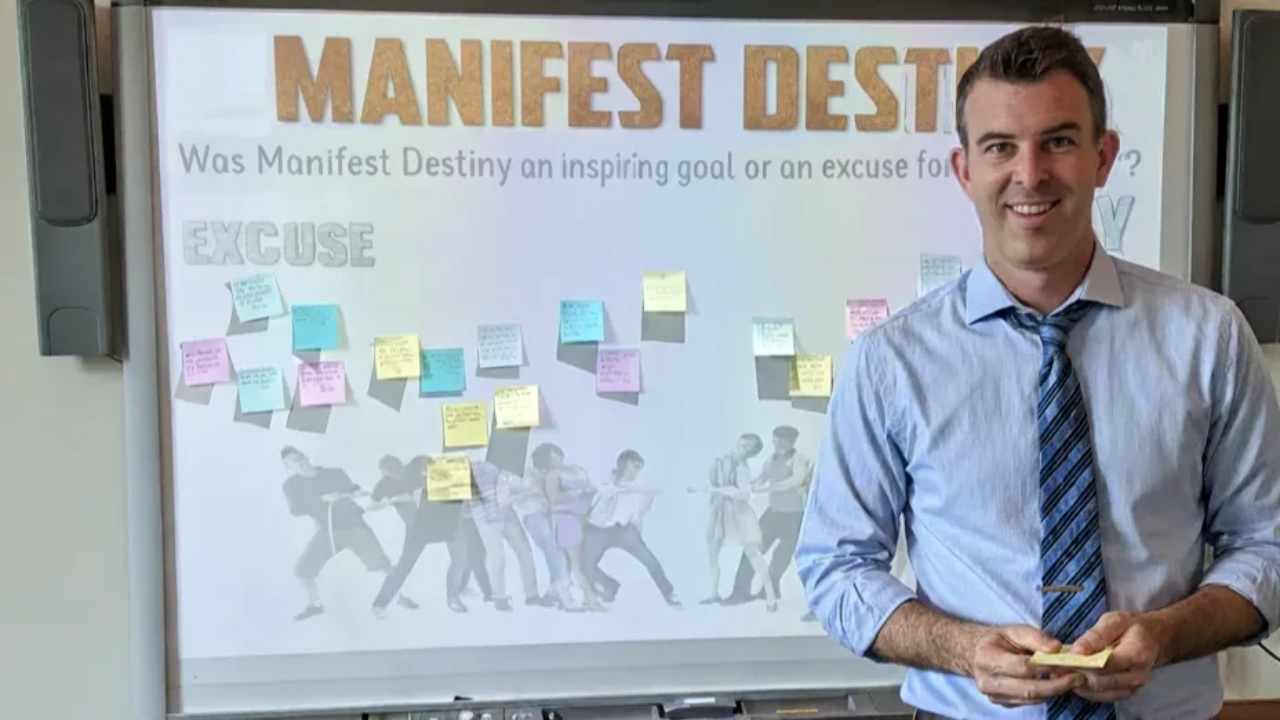
Students write their names or initials on sticky notes and place them along the line on your whiteboard. After everyone’s po...
50% Complete
If you're not sure about signing up, why not try out some of our resources for free? Sign up to download over 30 pages of awesome free activities for social studies!